Save the Children and DAS Peru launch pioneering intercultural Anticipatory Action Model to protect indigenous children in the Peruvian Amazon
- The initiative strengthens community preparedness for climate emergencies by integrating Anticipatory Action (AA) into Indigenous “Life Plans” and developing an intercultural protocol co-created with representative organizations.
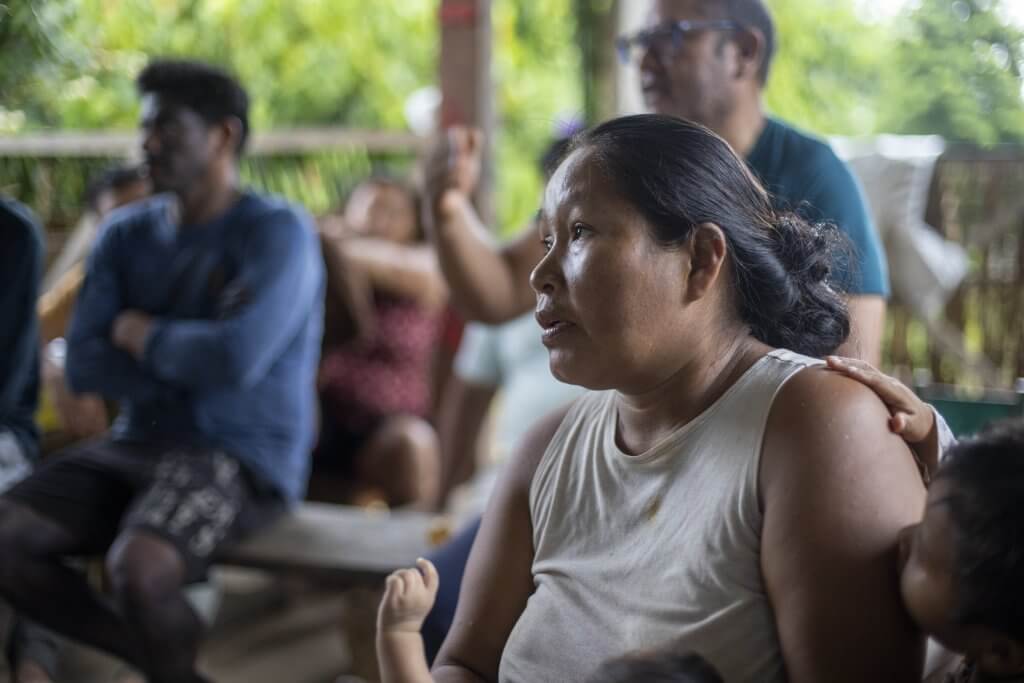
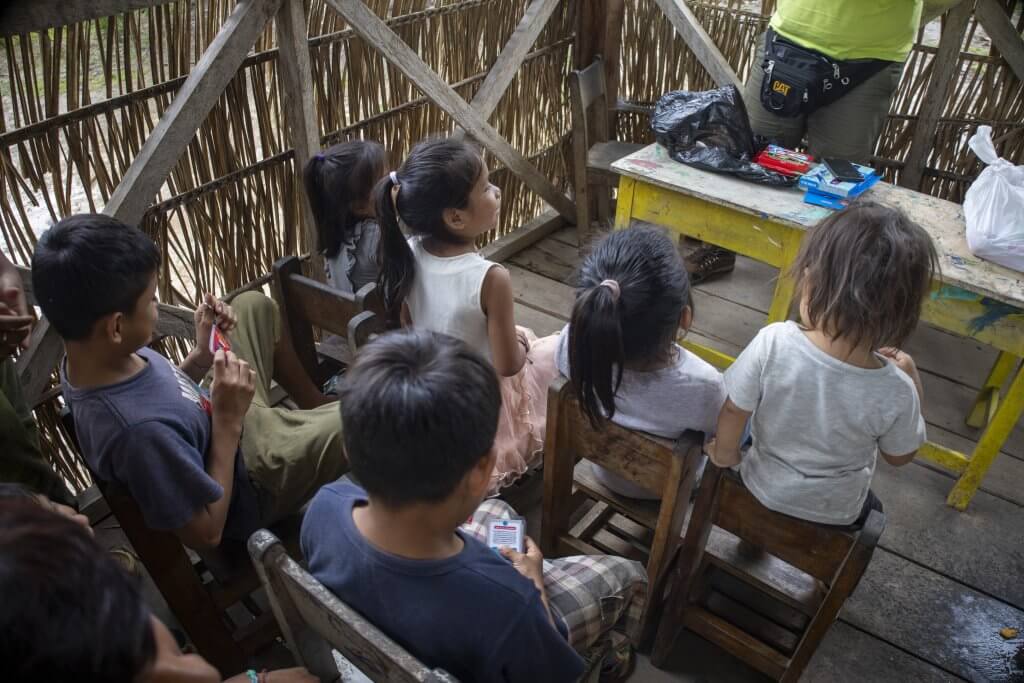
The Peruvian Amazon frequently faces extreme climate events, including floods, droughts, and wildfires. These disasters disproportionately impact hard-to-reach Indigenous communities, specifically affecting girls, boys, and adolescents.
In response, Save the Children, in partnership with Desarrollo Ambiental y Social Perú (DAS Perú), is implementing a pioneering intercultural Anticipatory Action model in Madre de Dios. The project aims to strengthen community preparedness, mitigate humanitarian risks, and protect Indigenous children from climate-related emergencies.
Anticipatory Action allows for intervention before an extreme event strikes, triggering community and humanitarian mechanisms based on early warnings, local planning, and culturally appropriate preventive measures. In “last-mile” Amazonian territories—where geographic isolation and limited access to services exacerbate emergencies—this approach is critical for saving lives and minimizing damage.
Life Plans and Indigenous Governance as the Pillars of Preparedness
The project focuses on strengthening community processes by incorporating disaster risk management and emergency preparedness into Indigenous Life Plans (Planes de Vida). These plans are central instruments for territorial governance and collective decision-making.
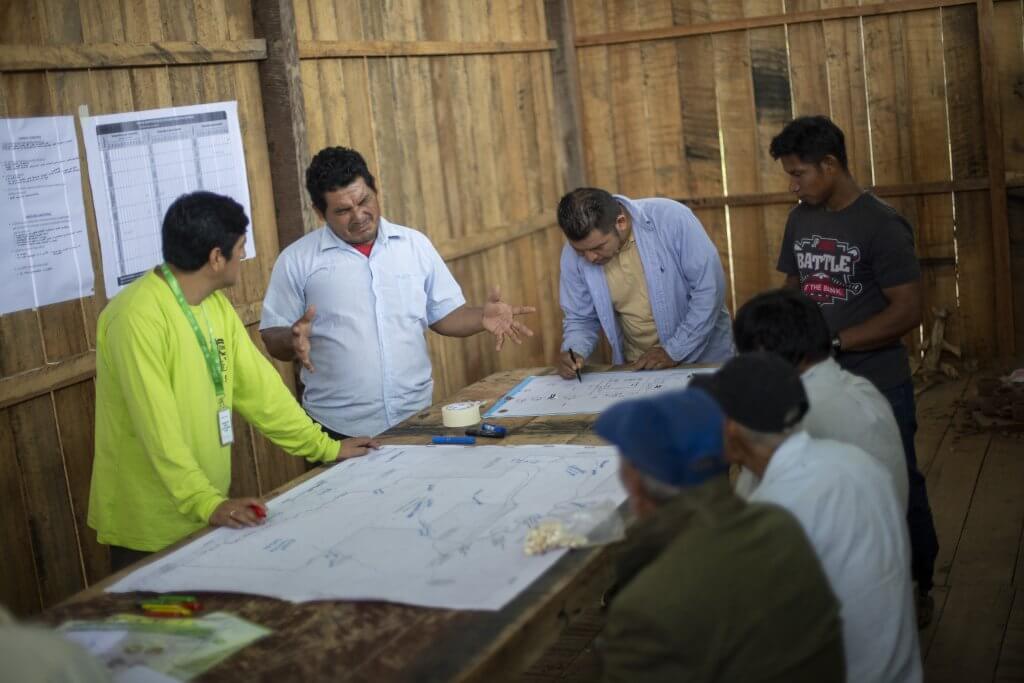
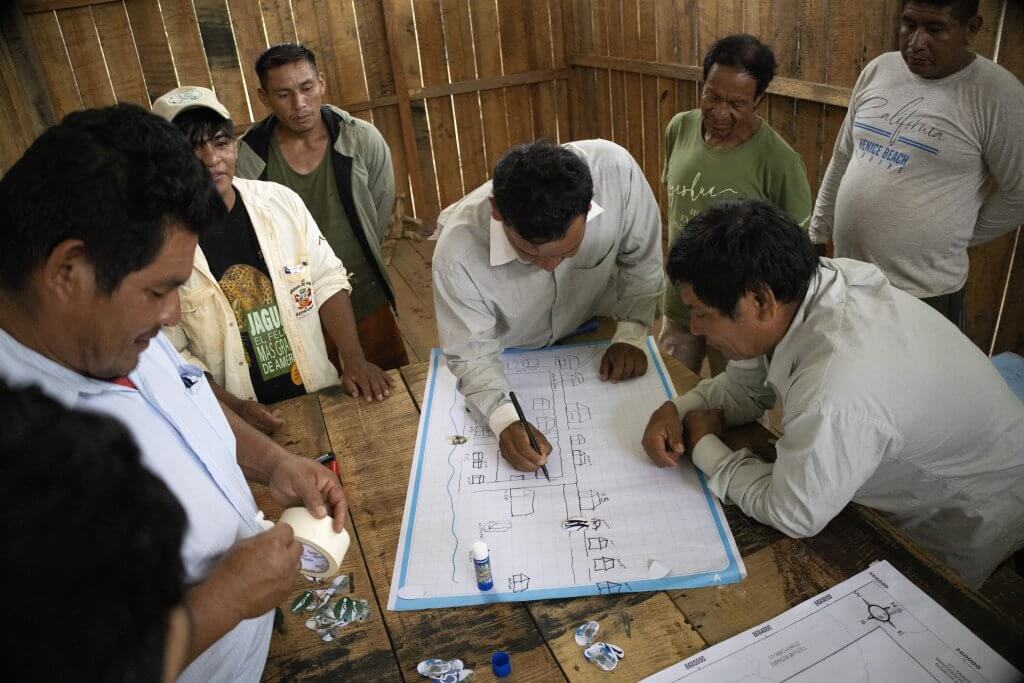
Through participatory workshops led alongside communal authorities and Indigenous federations, communities are identifying priority threats, defining anticipatory actions, and establishing internal agreements to ensure timely responses to multi-hazard risks.
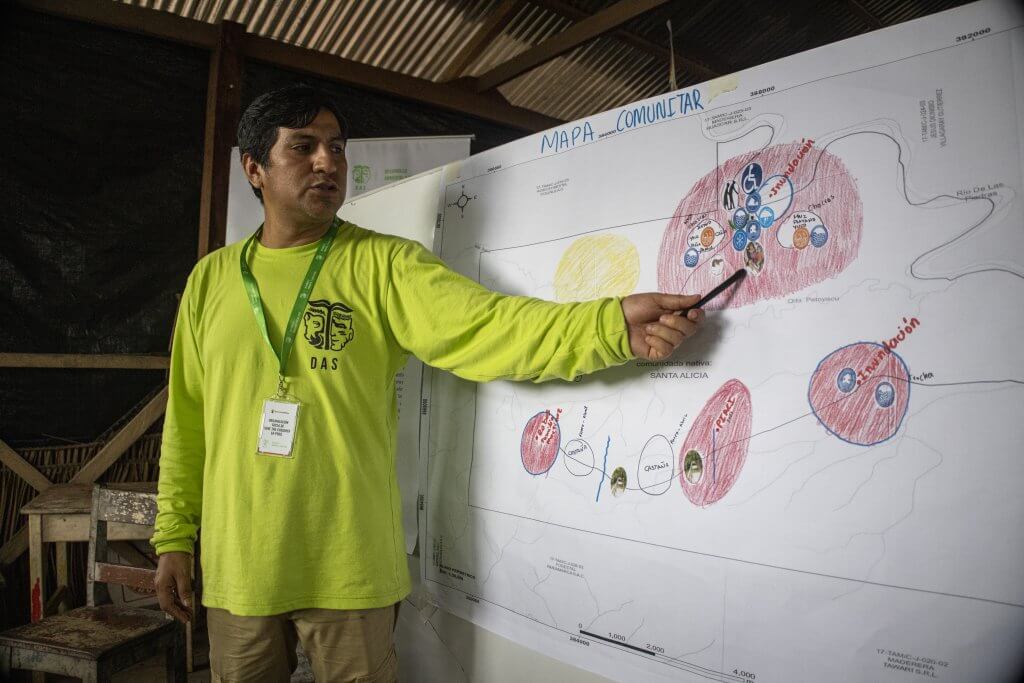
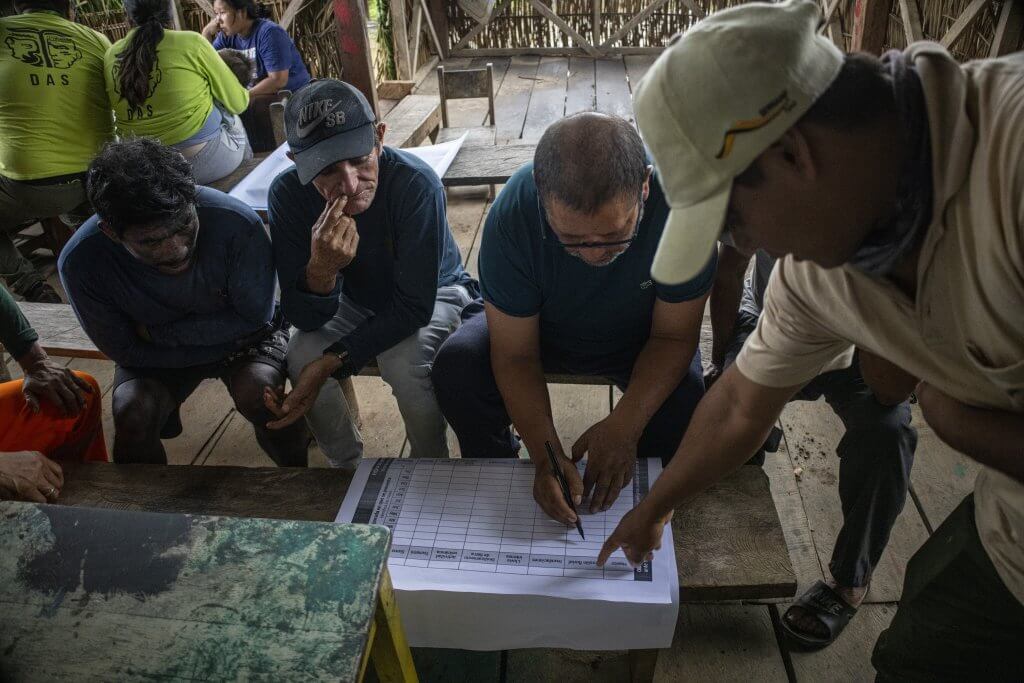
A Grassroots Intercultural Protocol for Anticipatory Action
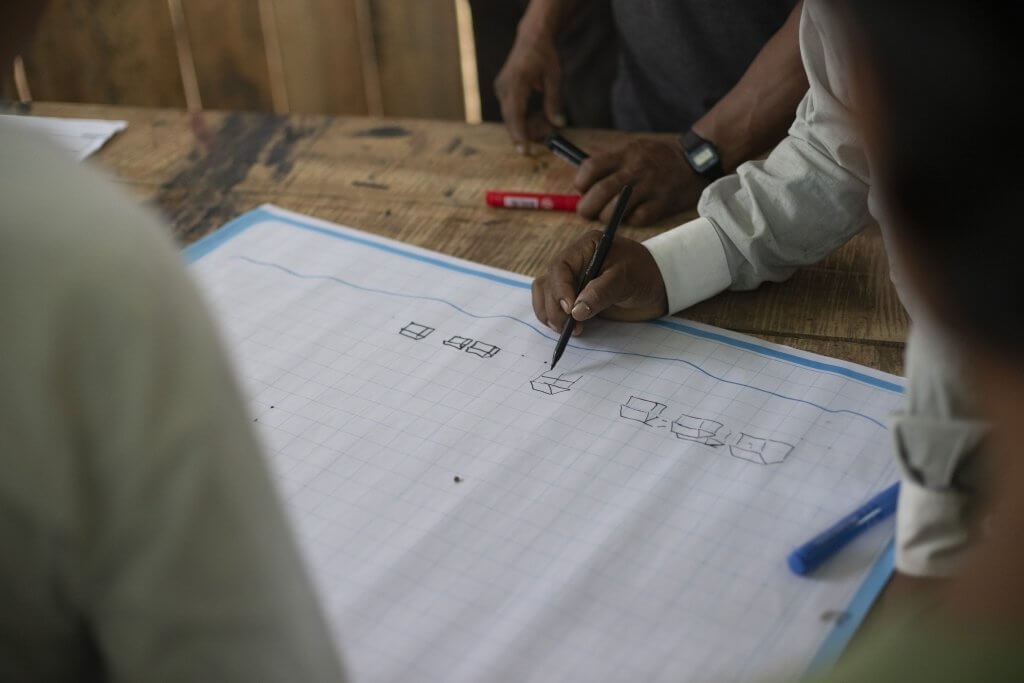
A key innovative component of this initiative is the development of an Intercultural Indigenous Protocol for Anticipatory Action. This protocol is being designed and validated in collaboration with representative Amazonian organizations, such as the Native Federation of the Madre de Dios River and Tributaries (FENAMAD).
The protocol ensures that emergency preparedness and response respect Indigenous organizational structures, ancestral knowledge, and cultural practices. It also facilitates the pre-positioning of humanitarian resources defined by the communities themselves, including multi-hazard kits adapted to their territorial reality.
State Coordination and Protection of Sensitive Territories
The project’s intercultural approach bridges traditional Amazonian knowledge with technical humanitarian standards centered on childhood. Furthermore, the initiative is coordinated with key government entities, including the Ministry of Culture (MINCUL), the National Service of Natural Areas Protected by the State (SERNANP), and the National Institute of Civil Defense (INDECI). This collaboration strengthens institutional response within Indigenous territories and buffer zones of protected areas.
By bolstering community preparedness and anticipating territorial impacts, the project also indirectly contributes to risk reduction for Indigenous Peoples in Isolation and Initial Contact (PIACI), whose protection requires highly sensitive, preventive, and intercultural frameworks.
A Replicable Model Centered on Indigenous Children
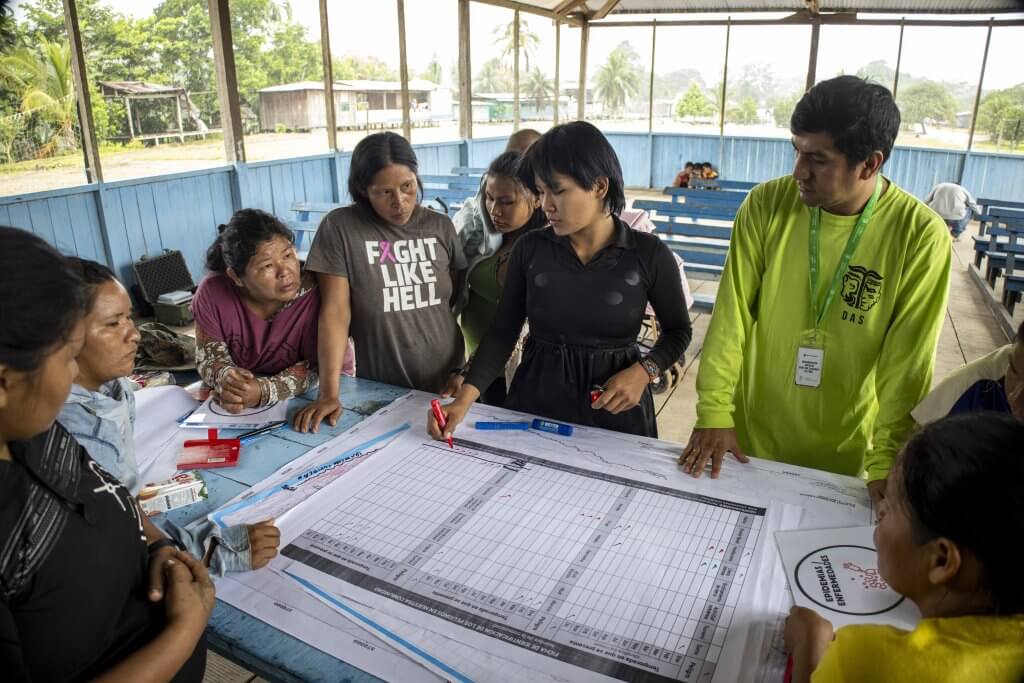
The project’s impact is multi-leveled: it strengthens community governance and resilience, improves local climate emergency preparedness, and reduces specific risks for Indigenous children and adolescents.
This experience reflects the commitment of Save the Children and DAS Peru to advancing innovative Anticipatory Action models in the Peruvian Amazon. The goal is to generate evidence and technical insights that can be replicated in other border regions and Amazonian contexts, ultimately contributing to more relevant, inclusive, and child-centered humanitarian policies and practices.