
Little Chefs Workshops: a child-led response to food insecurity in the Peruvian Amazon
- Through cooking and hands-on learning, children exercise leadership in defending their right to adequate food.
In Amazonian communities in Loreto, in Perú, shaped by poverty, food insecurity, and high levels of child malnutrition, guaranteeing the right to adequate food remains a daily challenge. Recurrent flooding, limited availability of nutritious food, and unequal access to basic services affect children in particular, who are rarely included in decisions on how to address these challenges.
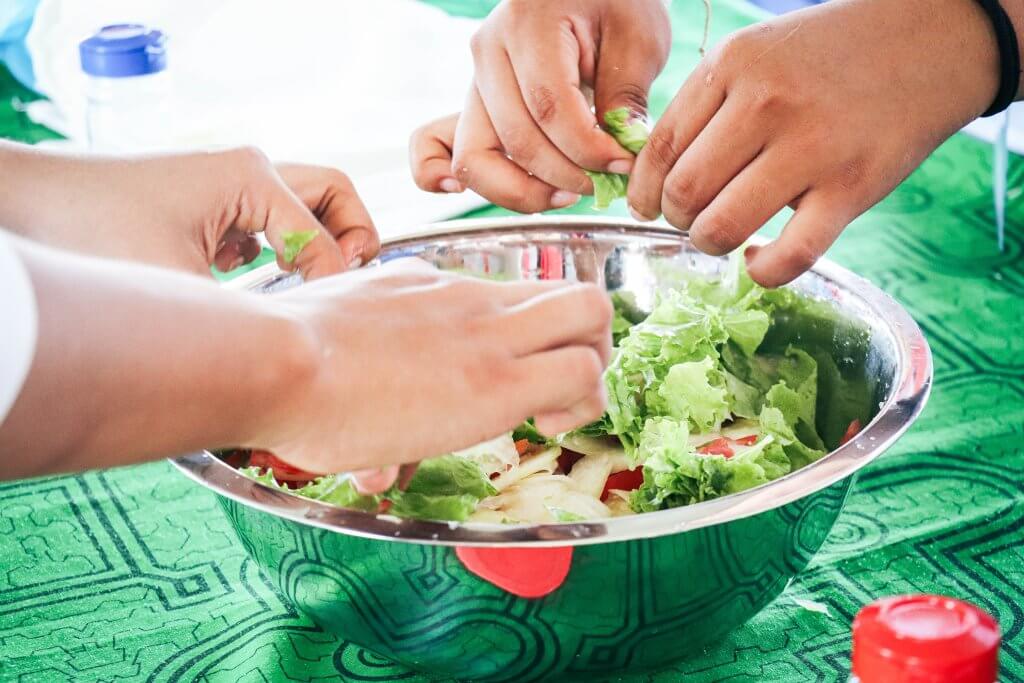
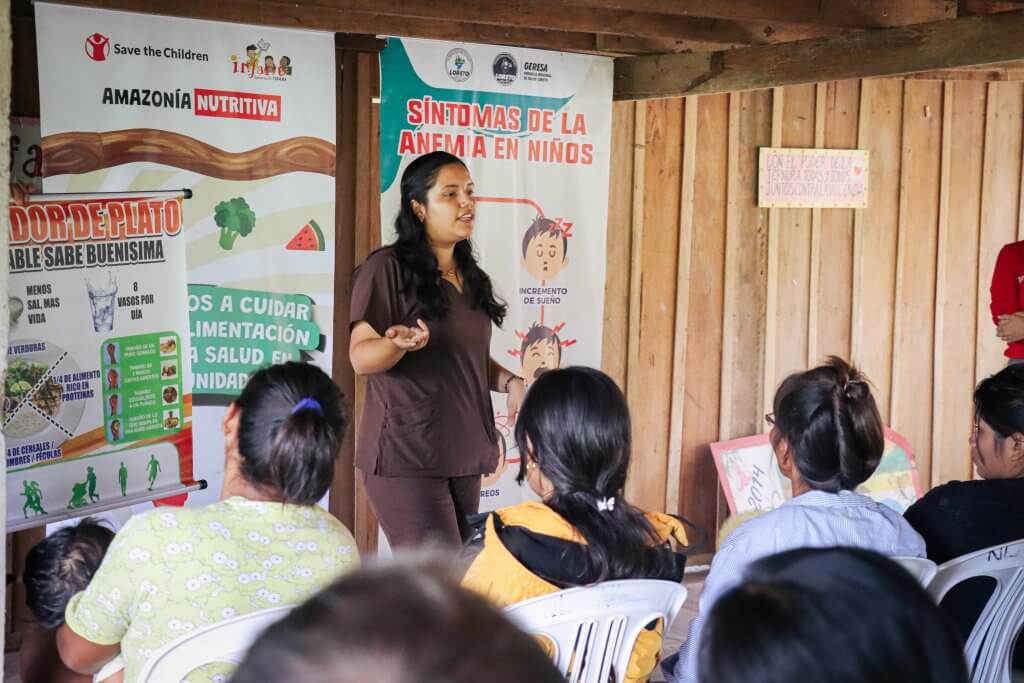
It is in this context that Nutritious Amazon was developed, an initiative implemented by Save the Children in Perú, INFANT, and Amazonian communities themselves to strengthen food security through a territorial, culturally relevant, and child-centered approach. As part of this strategy, the Little Chefs Workshops have become a key space for promoting practical learning on nutrition, health, and disease prevention, using locally available ingredients and knowledge.
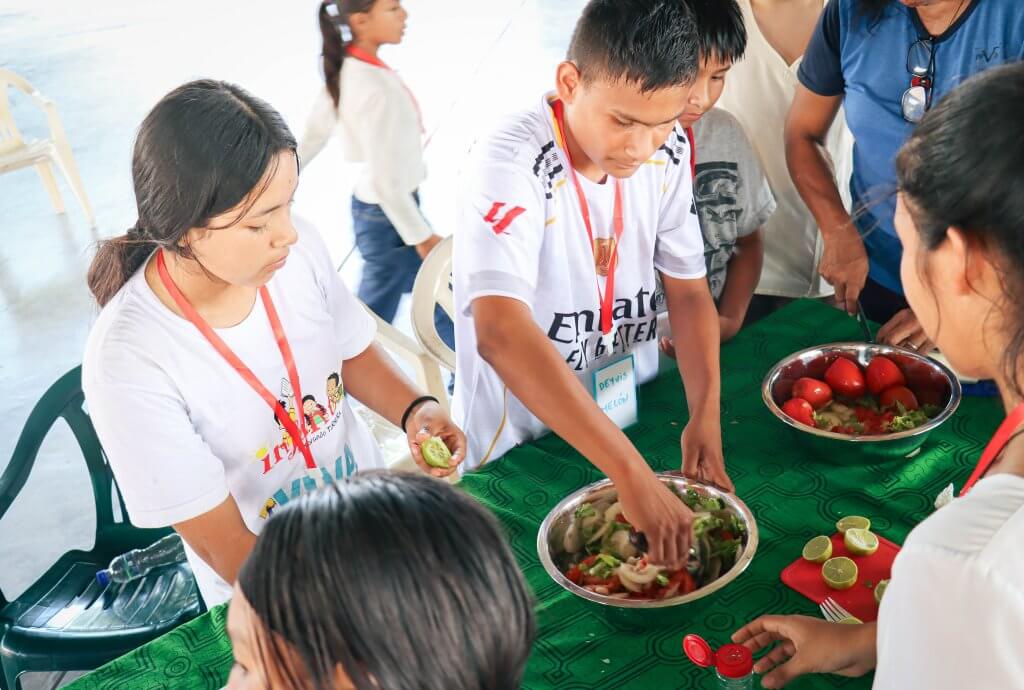
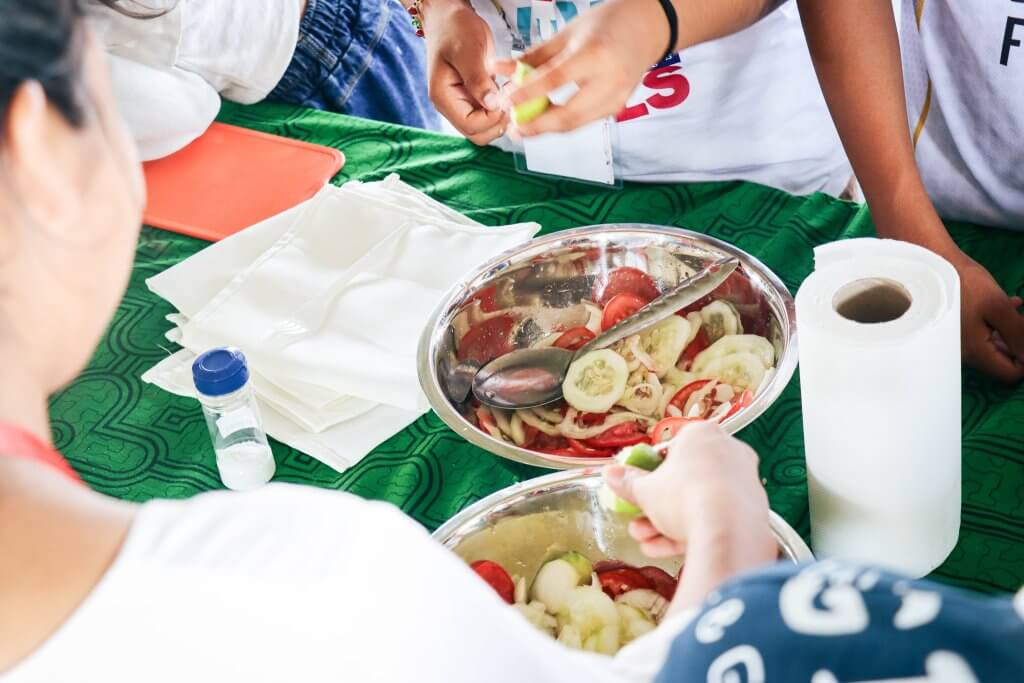
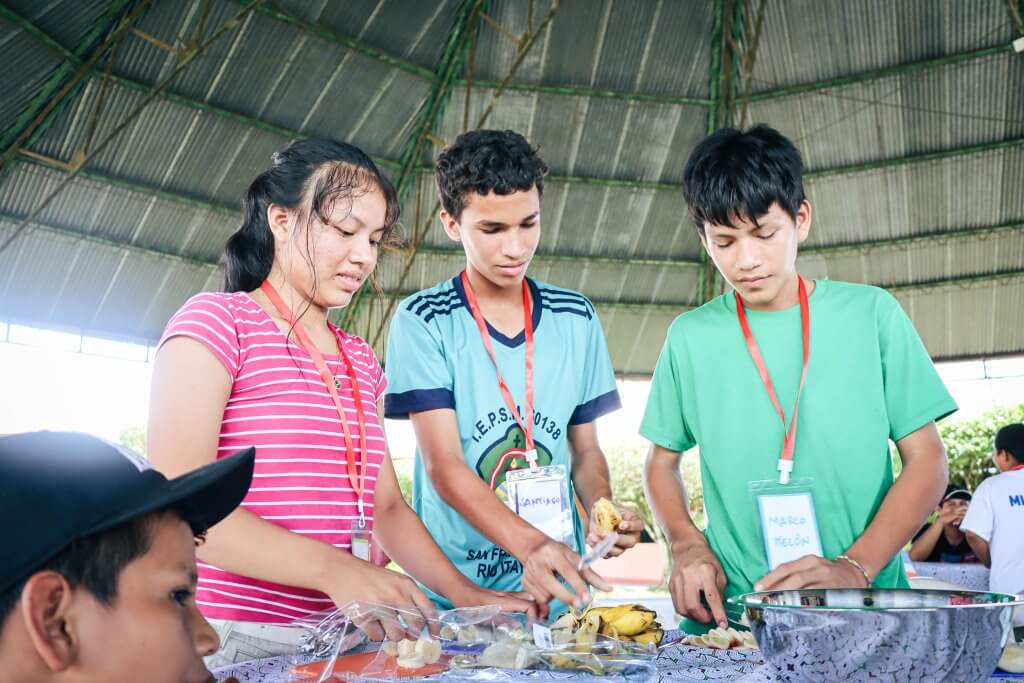
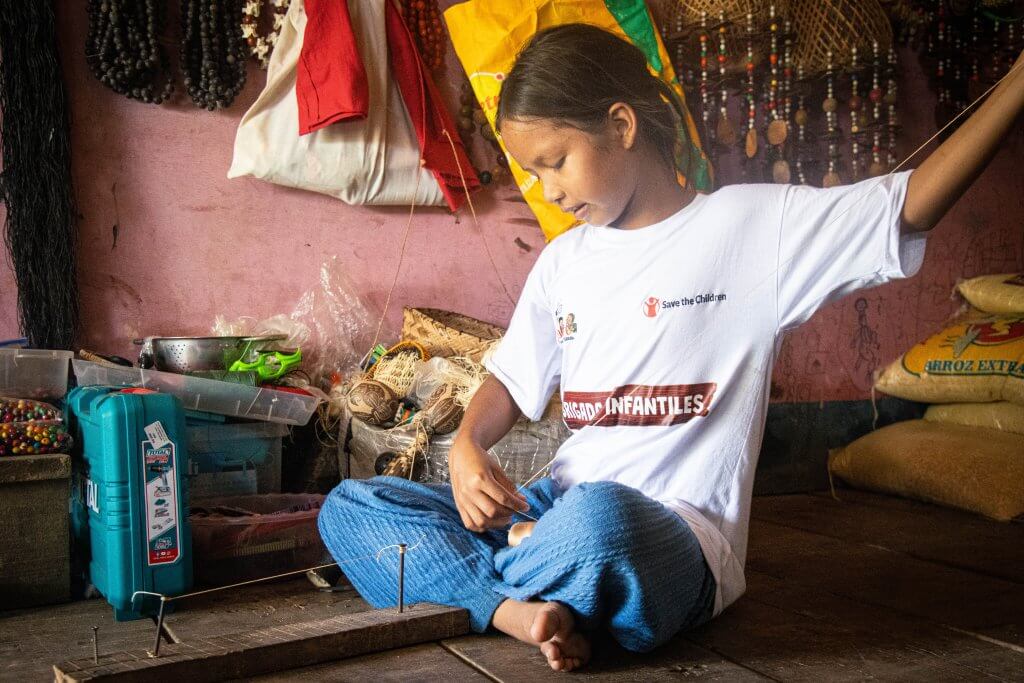
The Little Chefs Workshops methodology goes beyond nutrition education. The workshops are designed as a child-participation tool grounded in a rights-based approach, where children move from being passive recipients of information to taking on an active role as advocates for the right to food. By preparing healthy recipes, they reflect on their daily diets, strengthen healthy eating habits, and exercise leadership in addressing an issue that directly affects their well-being.
“I learned in the Little Chefs Workshops how to make fruit and vegetable salads. Before, we used to eat mostly fried foods, things cooked with a lot of fat. Eating healthy is important because it means eating clean fruits and vegetables, and that helps us stay healthy. That’s how we learn, and then we share what we know with other people who didn’t know before,” says River*, age 10.
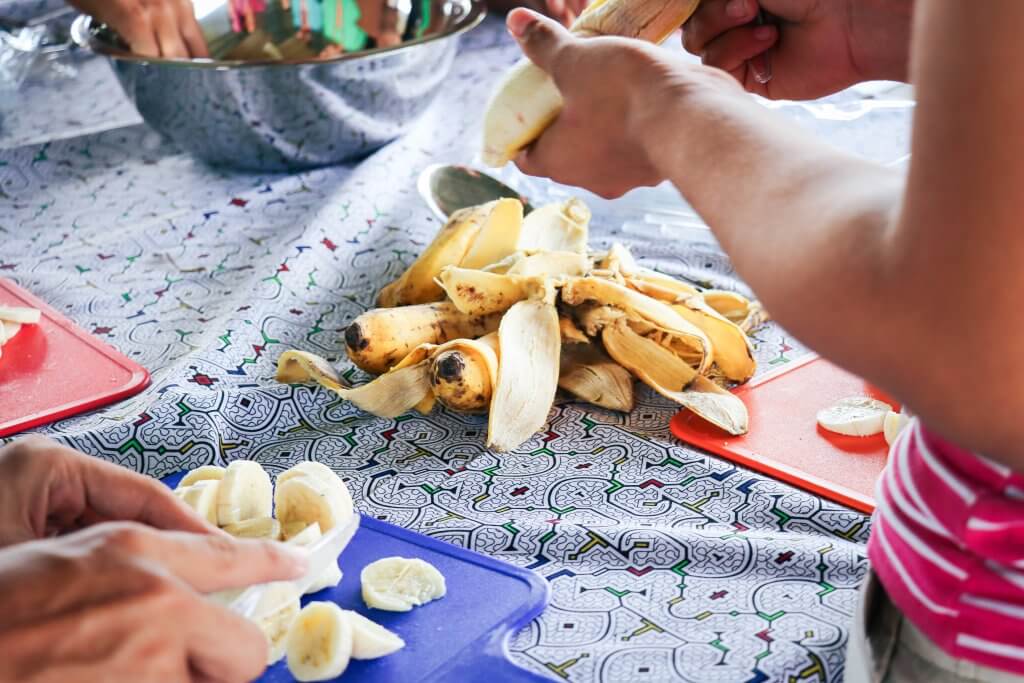
The Little Chefs Workshops were carried out in close collaboration with INFANT, whose knowledge of the territory and community dynamics in Loreto was essential to ensuring a methodology that was relevant and closely aligned with the realities of children and families. The technical and respectful accompaniment of Save the Children in Peru helped strengthen this experience, consolidating strong results through cooperation based on trust and recognition of local knowledge.
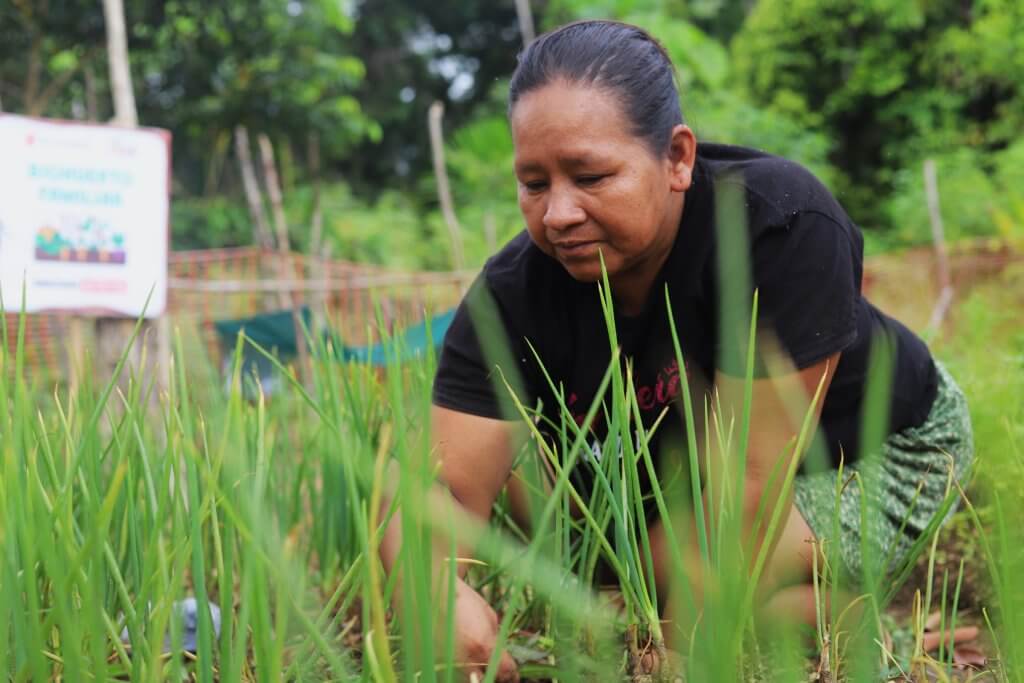
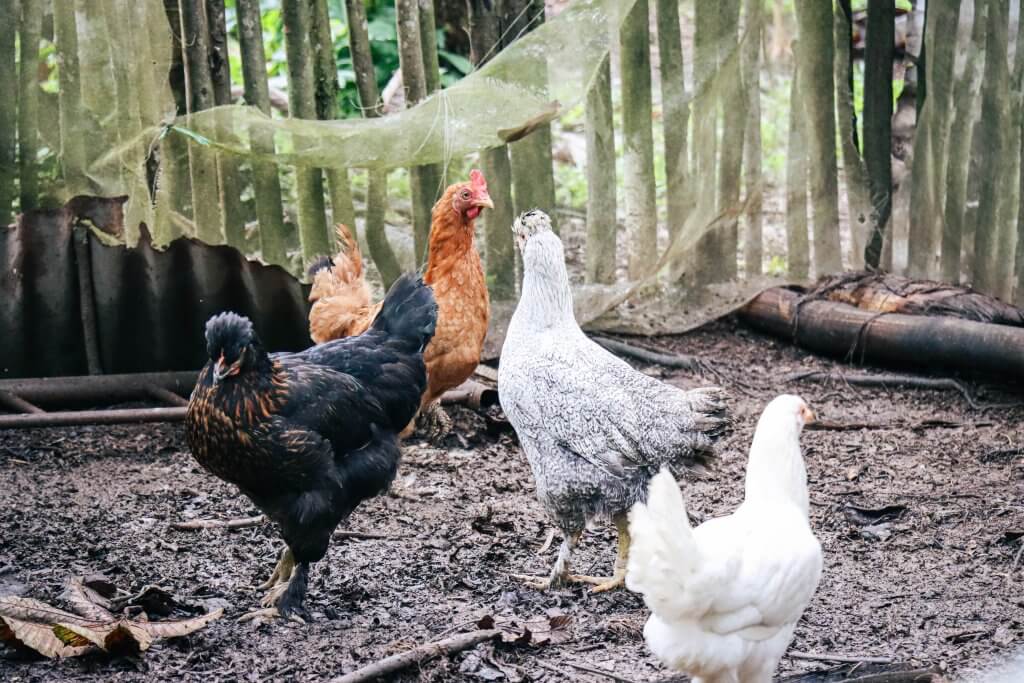
This experience is connected with other project activities, including family home gardens, the rehabilitation of agricultural plots, poultry raising, and the formation of children’s community brigades. In this way, what is learned in the workshops is integrated into family and community practices, reinforcing children’s role as promoters of the right to food and health.
The Little Chefs Workshops experience shows that, even in contexts of high vulnerability, child participation can be meaningful when it is linked to everyday, culturally relevant, and action-oriented practices. For Save the Children in Peru, this approach offers valuable lessons on how to integrate child leadership and nutrition into food security interventions, with strong potential for adaptation and replication in other territories facing similar challenges.


